
DC’s Absolute Universe Is a Smash Hit - Is It Time to Bring Back the DC Multiverse?
DC’s Absolute Universe proves there’s a market for multiverse stories, and DC would be wise to capitalise on it.

“In my view, the general rule of thumb is that each of these alternate worlds should be treated as its own potential franchise rather than squandered as disposable cannon fodder for the nineteenth nervous re-run of Crisis on Infinite Earths.” – Grant Morrison
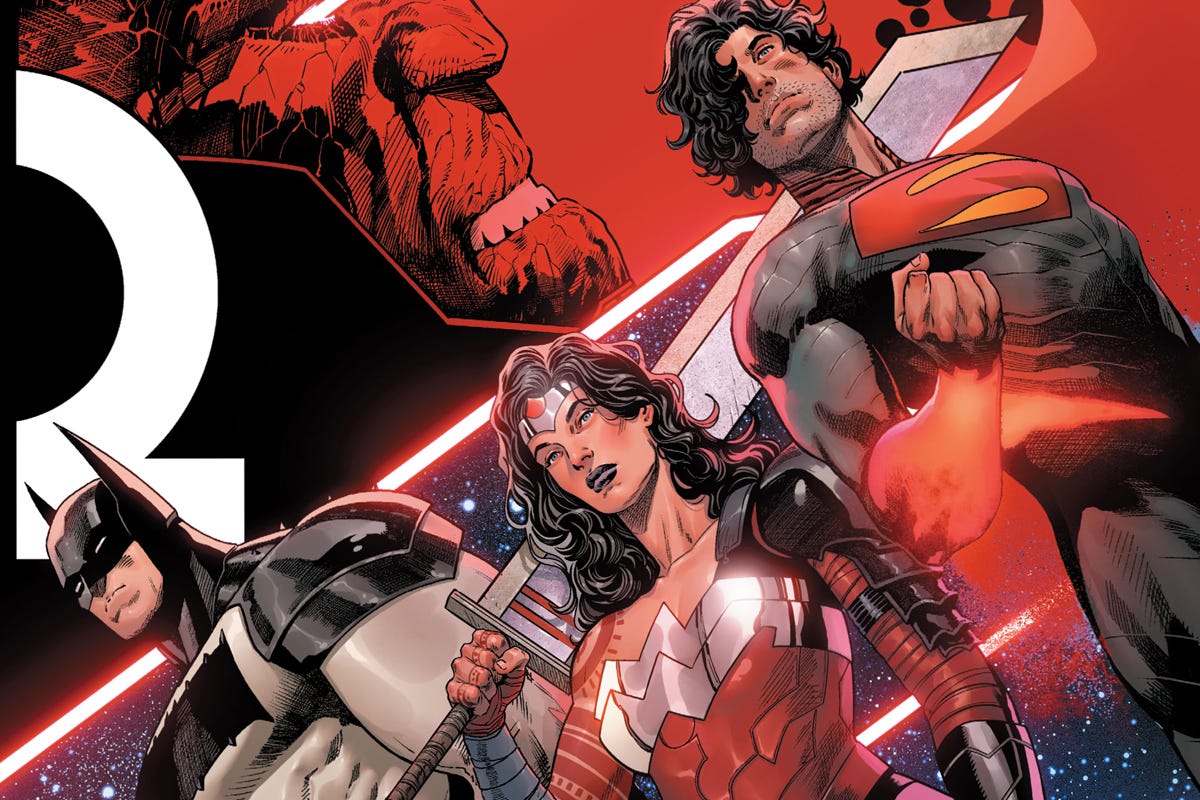
Grant Morrison was onto something when they described the state of the DC Multiverse in a Substack post from 2022, and DC Comics has proven them right. DC’s Absolute Universe is now a little over a year old, and is consistently the publisher’s top-selling line. This was even confirmed by DC superstar Scott Snyder and DC editor Chris Conroy.
A key part of the Absolute Universe’s success is that it’s radically reimagining DC’s most iconic heroes in exciting new ways, and is exploring different concepts that are meant to connect with the current generation of readers. Just as important, DC’s Absolute Universe doesn’t erase and replace decades of DC stories, but it’s not beholden to a status quo either. Instead, it challenges what fans know and love about these iconic characters through bold storytelling, and achieves this without ignoring what makes them stand the test of time.
But what is the Absolute Universe’s unprecedented success truly saying about today’s comics-reading market? Aside from avoiding the controversial erasures and canon revisions that plagued both the Crisis on Infinite Earths and Flashpoint reboots, DC’s Absolute line is focusing on telling emotionally impactful stories that are character-driven, and meeting fans where they are in the current decade.
Because the Absolute line is focusing on building its universe through its characters, it has a more easily accessible continuity that isn’t bogged down by decades of haphazard changes, followed by equally confusing retcons. The most important message the Absolute line’s success is conveying, however, is that there is a strong market for DC stories that aren’t confined to the limitations of its primary canon and maintaining a status quo.
DC’s Absolute Line Proves a Strong Market for Multiverse Stories Exists
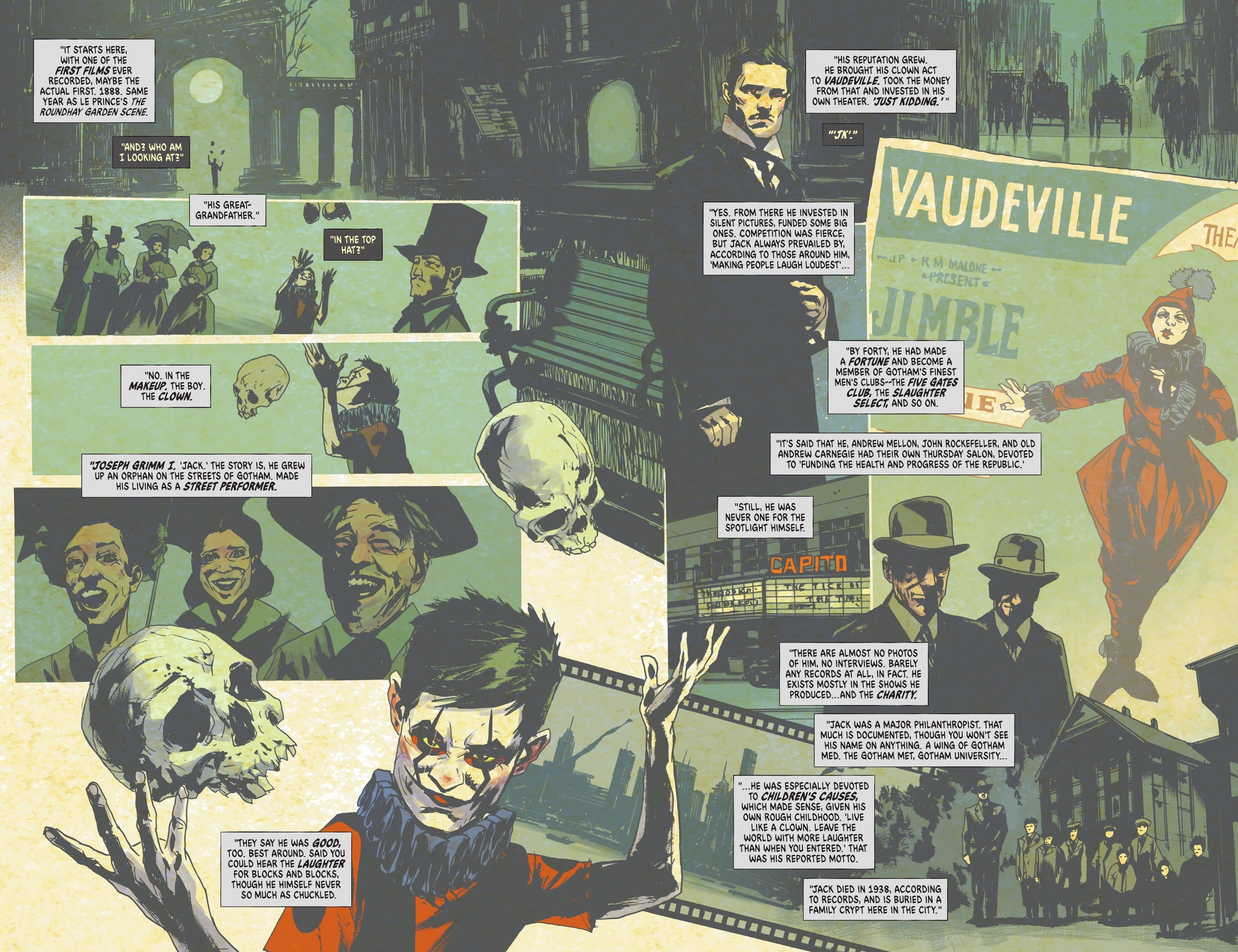
Given that the Absolute line is showing which types of stories are consistently selling for DC, it’s becoming increasingly clear that the single Earth continuity isn’t equipped to meet all the needs of different audience groups – especially if every unique brand DC owns has to conform to the status quo imposed by the Justice League. Since the latter is one of DC’s top-selling brands, the need to maintain a status quo doesn’t facilitate stories that meaningfully raise the stakes and create opportunities for organic character growth. Likewise, the iconic status of the Justice League doesn’t create the circumstances needed for other brands to succeed on DC’s primary universe, Earth-0.
Tapping into different markets by offering different interpretations of familiar narratives (or even wholly new ones) has always been the purview of the multiverse concept. It’s also a concept DC Comics has always done better than Marvel. Before Crisis on Infinite Earths got rid of DC’s original multiverse, the publisher had different Earths that could have easily attracted a wider range of readers if they had been treated as their own franchises, as Morrison suggested.
For instance, as the primary DC Universe at the time, Earth-1 easily attracted new young readers to the DC brand. This world offered modern interpretations of the publisher’s iconic Silver Age heroes. Likewise, Earth-2 explored generational legacy with DC’s Golden Age heroes and their successors, since this was the older DC Universe that started in the 1930s. But that’s not all that the original DC Multiverse had to offer. Earth-3, for example, was the world that explored the idea of the Justice League being the world’s villains (as the Crime Syndicate), with their villains being the heroes.
Outside of DC’s immediate brand, Earth-4 was the Charlton Comics Universe that characters like Blue Beetle, Peacemaker and The Question originated from, which presented its heroes with a more cynical worldview. Earth-S (retroactively Earth-5) was the Fawcett Comics Universe where Shazam (originally Captain Marvel) and his family originated from. On this world, the kids were the heroes, not the sidekicks. Earth-X (retroactively Earth-10) was the Quality Comics Universe where the Freedom Fighters originated from, and it was later presented as the world where the Nazis won World War II. Post-Crisis, The Milestone Universe (Earth-M) was the world Static, Icon and Rocket originated from and was a world where BIPOC were the primary heroes.
With the variety of stories the DC Multiverse has to offer, DC is kneecapping itself by trying to conform each of these diverse brands to one Earth’s timeline, with the Justice League setting the standard (and hard limits) for everyone else. However, by launching a DC Multiverse line of graphic novels, not only can creators fully maximise the potential of these unique brands, but it could even lead to the best stories being told with these characters that could more easily reach larger audience groups. One excellent starting point would be for DC to relaunch its Justice Society brand on Earth-2 again, but with its pre-Crisis concept of generational legacy fully restored.
Restoring Earth-2 Would Give The Trinity’s Lost Generational Legacy a Better Shot at Success
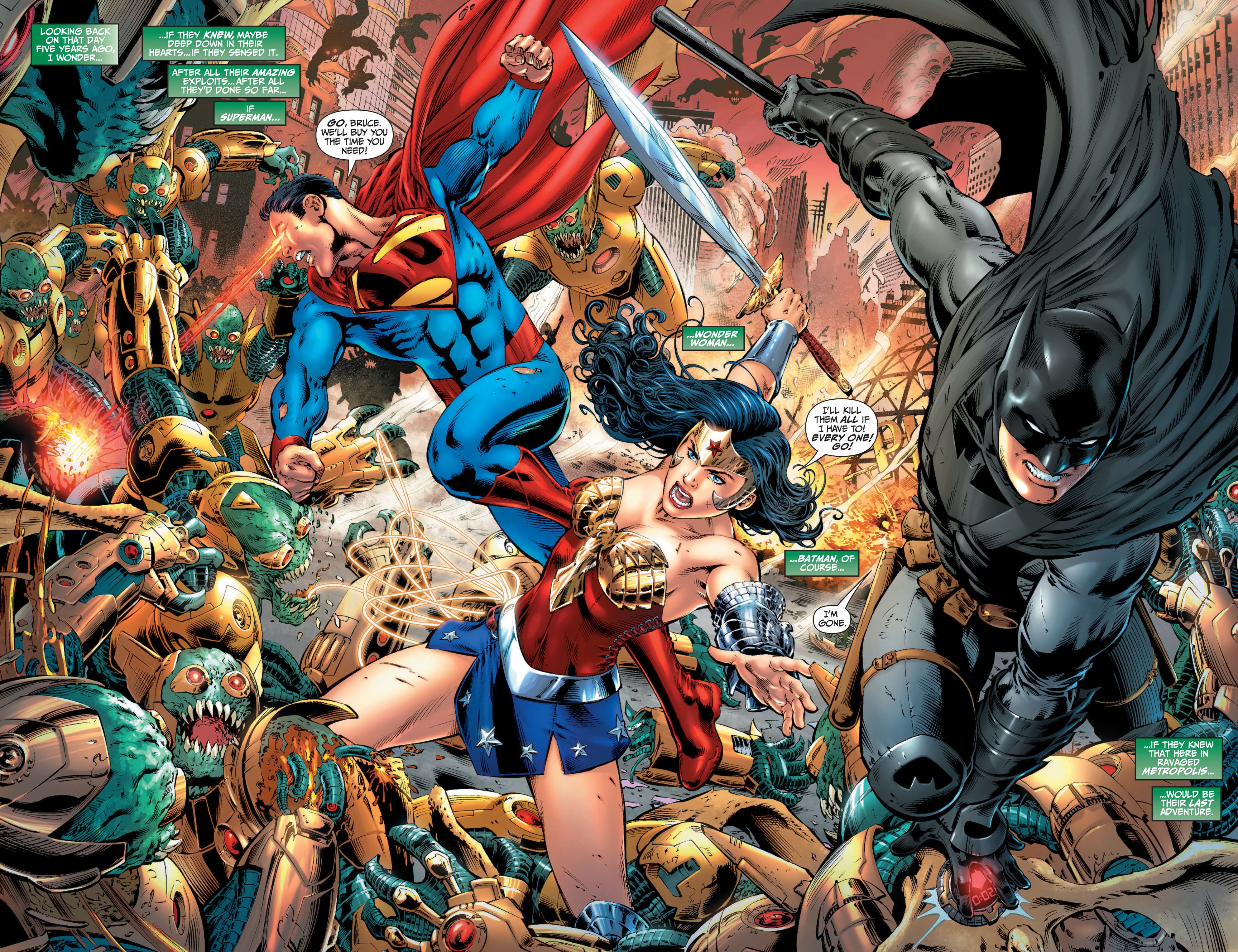
One major criticism fans still have about 1985’s Crisis on Infinite Earths is that getting rid of Earth-2 gutted the Justice Society’s lore in a way that negatively impacted key characters and erased others. This included the erasure of Batman, Superman, and Wonder Woman as Golden Age heroes, and their legacies being taken up by women. The other thing the Justice Society lost with the Crisis reboot was the real sense of generational legacy. This was due to the fact that Earth-2 operated by a completely different set of rules than the Justice League’s Earth-1.
Whereas Earth-1 existed on a sliding timeline that allowed the Justice League to remain perpetually young, Earth-2, by contrast, progressed in real time. This premise allowed DC’s Golden Age heroes to age over time, which facilitated stories about the realities of ageing and the permanence of death. This also allowed the Golden Age versions of Batman, Superman, and Wonder Woman to live full lives, marry and raise families, and take on new roles as they got older. This was the major way the Golden Age Trinity stood out from their mainstream counterparts on Earth-1, and later, Earth-0.
Though the 2010s showed there is a strong market for Batman and Catwoman to marry and raise a family together, at the same time, Earth-0’s status quo gridlock does not facilitate the kinds of stories that would meaningfully evolve these characters. The Earth-2 versions of Bruce Wayne and Selina Kyle, however, do not share that burden. Before Crisis, they did retire their Batman and Catwoman identities due to age, which also factored into their decision to marry and raise a daughter together. In addition to marriage, ageing in real time allowed Bruce to become more active in philanthropy, and become police commissioner of Gotham by age 60.
Earth-2 also saw Dick Grayson see middle age, which facilitated a different narrative for him that easily made him stand out from Nightwing on Earth-0. In this case, the Earth-2 Dick Grayson semi-retired from his superhero lifestyle to pursue a career in law, and later politics. The few times that he did come out of caped crusader retirement, it was always to help the Justice Society or The Huntress on some cases as Robin. Still, moving on from being a costumed hero to pursue a full-time career allows the Earth-2 Dick Grayson to be a more grounded, life-like character in a way his mainstream counterpart will never be.
On that note, Bruce and Selina’s daughter, Helena Wayne, also grew up to see adulthood and became a highly successful lawyer in the 1970s and 1980s. She also protected Gotham as The Huntress in her father’s place, and became a second generation Justice Society member. In the same way her father was one of the first heroes of Earth-2 that facilitated the rise (and formation) of the Justice Society, The Huntress was among the second generation heroes to modernise the Justice Society and later cofound Infinity, Inc. When it came to redefining her family legacy on her own terms, the original Huntress benefitted from the Batfamily being a lot smaller than the one on Earth-0. This eliminated competition for her father’s legacy and avoided needlessly convoluting her own Huntress origins.
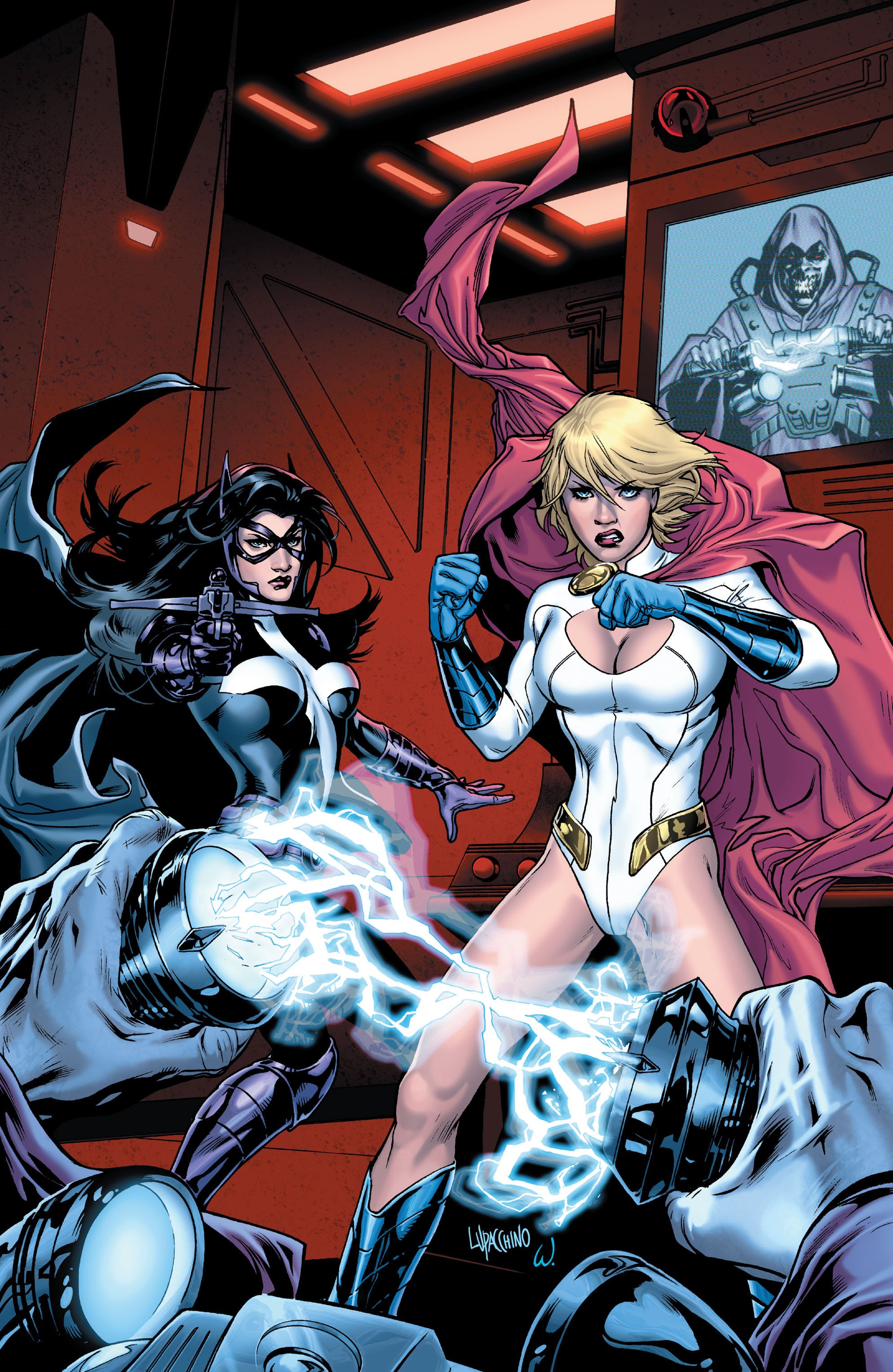
Another character that would benefit tremendously from having Earth-2 restored is Power Girl. Though she is the Earth-2 counterpart of Kara Zor-El (Supergirl), her storyline is completely different. In her case, the Golden Age Superman and Lois Lane married decades before their Earth-0 counterparts did, with Clark Kent eventually succeeding George Taylor and Perry White as the Editor-in-Chief of The Daily Star. Though the couple didn’t have children on Earth-2, they still took in Superman’s cousin, Kara Zor-L, and made her a part of their family instead of putting her in an orphanage like her mainstream counterpart.
Similarly, instead of starting out as Supergirl, the Earth-2 Kara took on the Power Girl identity to create her own heroic legacy independently of her cousin. This included creating a civilian identity as a software engineer named Karen Starr, and starting her own tech company, StarrWare. Though Kara did have her own “Lois Lane” in the form of Gotham Globe reporter Andrew Vinson, she was still the hero of her own story – she was not positioned as an asset in a man’s story the way she was when she was paired with fellow Kryptonian Val-Zod during The New 52 era. Exploring these concepts within the context of Earth-2 again would afford Kara more depth as a character and would result in more grounded stories for her. It would also give readers a real chance to experience Power Girl as the character she was truly meant to exist as – a hero who shapes her own narrative, and not as a continuity gimmick who is forced to share her existence with the mainstream Supergirl on Earth-0.
Following in the footsteps of Superman and Batman on Earth-2, the Golden Age Wonder Woman (Diana Prince) also married Steve Trevor and had a daughter with him, Hippolyta “Lyta” Trevor. She also grew to adulthood and cofounded Infinity, Inc. as Fury. Lyta also became romantically involved with Hawkman and Hawkgirl’s son, Hector Hall, who also cofounded Infinity, Inc. as Silver Scarab. Though versions of these characters exist on Earth-0, Lyta Trevor is no longer the daughter of the Golden Age Wonder Woman on this world due to this role being reassigned to her grandmother, Queen Hippolyta.
Additionally, in the same way Helena Wayne got reimagined with a mafia origin (as Helena Bertinelli) post-Crisis, Lyta also acquired new parents in place of Diana Prince and Steve Trevor. This change not only robbed Lyta of her own place within the Wonder family on Earth-0 (and relegated her to the now problematic Sandman Universe), but she became unusable as a character. Since the Earth-0 Wonder Woman now has a new daughter called Elizabeth Marston Prince, this killed any future opportunities for Lyta to return with her original history intact.
Restoring Lyta as Diana’s daughter on Earth-2 would not only reinstate Wonder Woman’s true Golden Age legacy, but it would give Lyta a better shot at being developed as the character she was always meant to be. It would also allow storytellers to more meaningfully explore how Wonder Woman’s legacy would evolve across new generations of women, and in the span of an entire century. It would especially open up the opportunity for Lyta to truly define her American and Amazonian heritage on her own terms, and have children that blend the legacies of Wonder Woman and Hawkman in exciting new ways.
Restoring Earth-2 Would Give The JSA’s Generational Legacy More Meaning
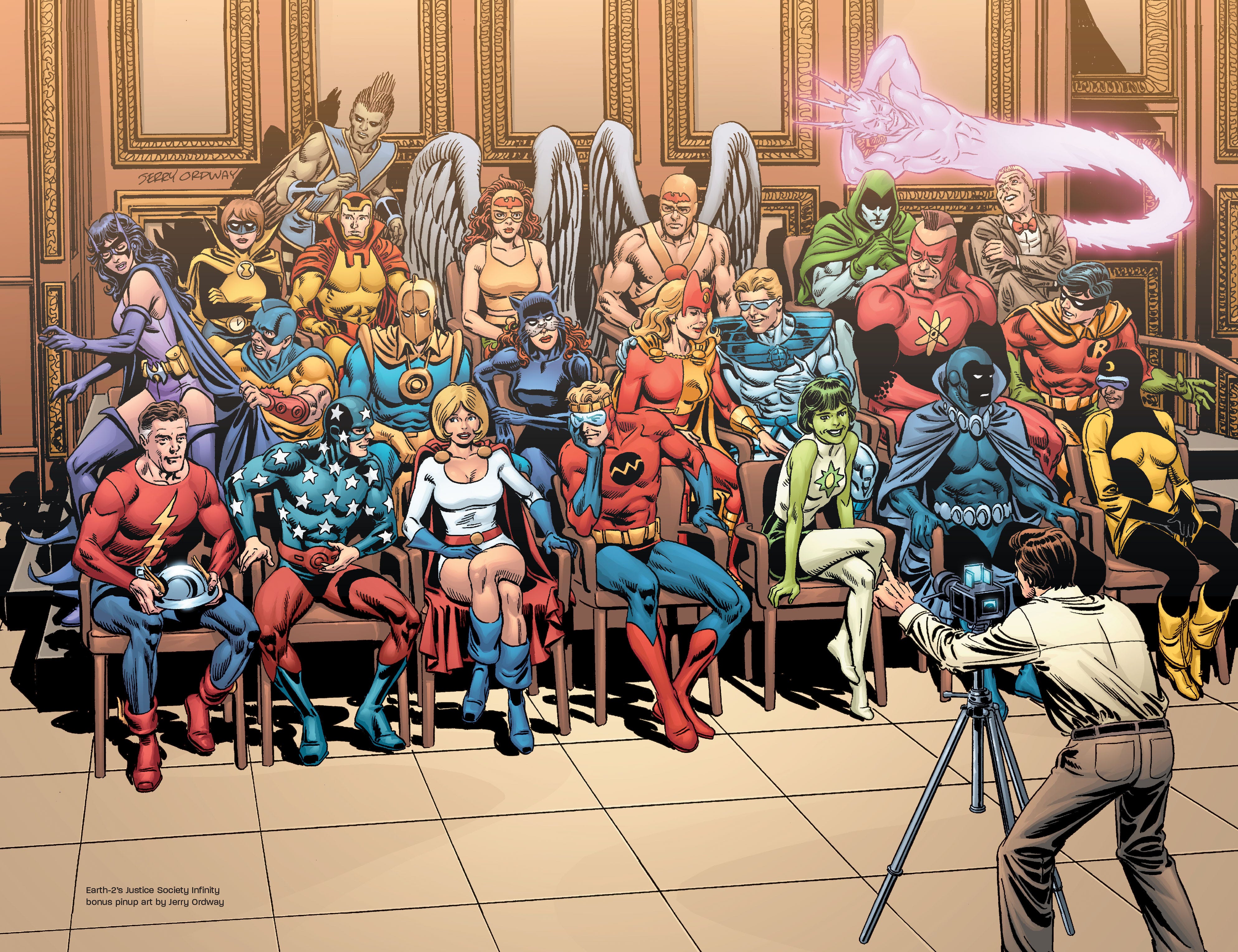
One of the more misguided “course corrections” of DC’s Rebirth era was the decision to restore the classic Justice Society on Earth-0, and abandon the Earth-2 concept entirely. Apart from Rebirth architect Geoff Johns re-canonising his own contributions to Justice Society lore, this decision also restored the controversial changes of the post-Crisis era. This included the controversial decision to make Queen Hippolyta the Golden Age Wonder Woman again (which convolutes how George Perez streamlined her mythos post-Crisis), and needlessly convoluting Huntress and Power Girl’s places in the mainstream DC canon.
Whilst Johns was correct about the loss of generational legacy weakening the appeal of the DC brand, he was also wrong about the solution that was needed. One thing The New 52 actually did right was put the Justice Society and DC’s Golden Age heroes back on their own Earth again. Where DC went wrong with Earth-2 during this era was erasing the Justice Society’s Golden Age origins as World War II heroes, and their rich generational legacy in favour of turning this world into Earth-0’s answer to Marvel’s Ultimate Universe.
Though Earth-2 was still a highly successful title despite this radical departure from its classic lore, it still lost something in the process: the idea of ageing superheroes and new generations of the Justice Society spanning decades instead of a few years. The New 52 reboot also hurt Wonder Woman’s Golden Age legacy by tying it to Apokolips. It also robbed Huntress and Power Girl of their rightful places as Batman and Superman’s successors in favour of creating new male characters to take up those legacies.
The problems with The New 52 reboot of Earth-2 boiled down to misogyny, ageism, and an overall wrong narrative direction. However, those problems were easily rectifiable by simply using the Rebirth initiative, the Convergence event, and Dan Abnett’s Earth-2: Society run to restore the classic iteration of this world and its original history. Doing so would not have just put the Justice Society brand back on track with fan expectations, but it would have also led to an exciting new direction that could more meaningfully explore generational legacy. More importantly, restoring Earth-2’s classic history would have done wonders for Infinity, Inc.
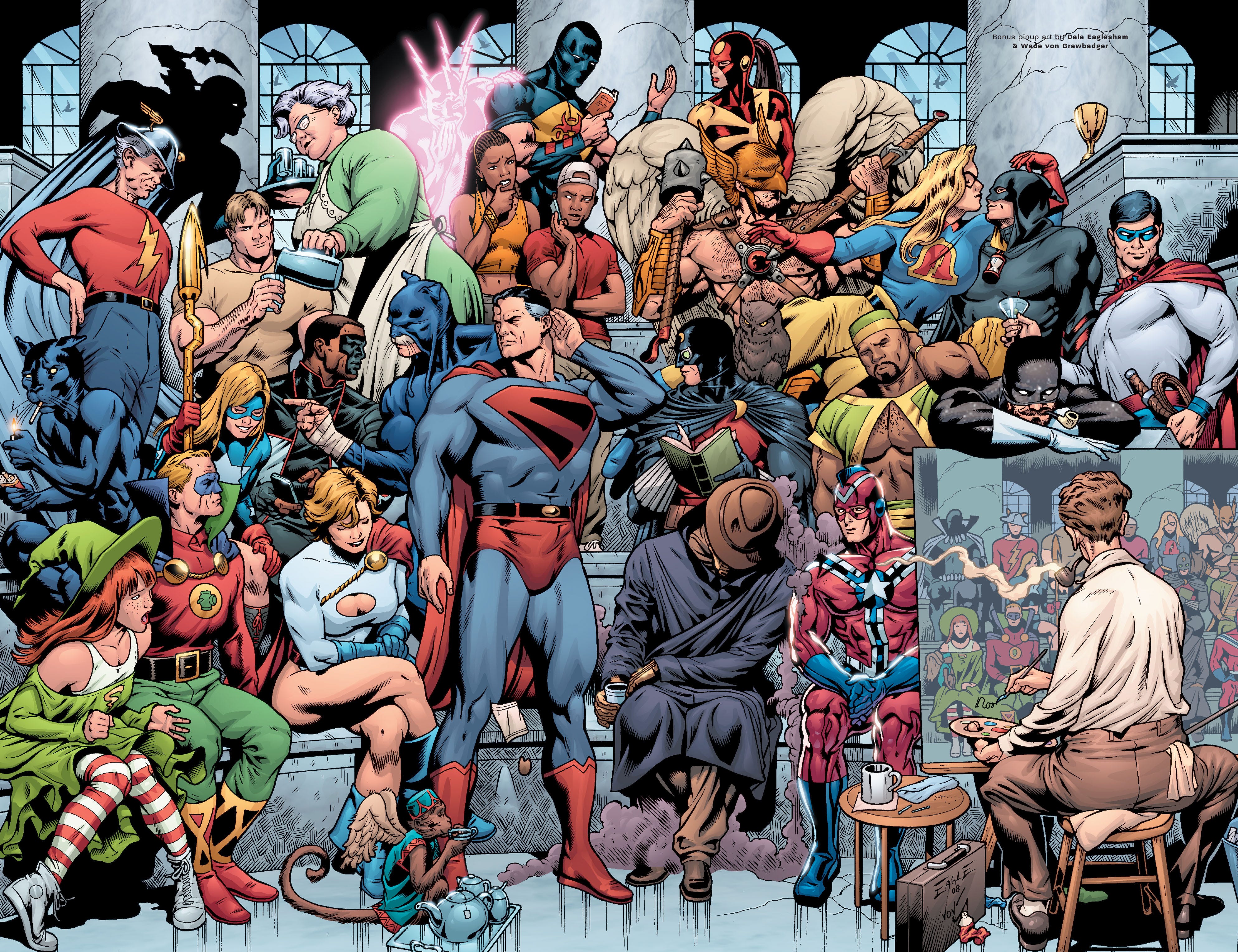
As the Justice Society’s first legacy team, Infinity, Inc. introduced Jade and Obsidian as Alan Scott’s biological children, with the twins being put up for adoption by their mother (Rose Canton/The Thorn) without their father’s knowledge. Infinity, Inc also introduced a whole new batch of second generation heroes like Beth Chapel’s Dr. Midnight (instead of Mid-Nite), Rick Tyler’s Hourman, and Yolanda Montez’s Wildcat. It also created new characters like Albert Rothstein as Nuklon (later Atom-Smasher) and Norda Cantrell as Northwind.
If the original Justice Society heroes defined DC’s history between the 1930s and mid-1970s, then their successors that formed Infinity, Inc. defined DC’s 1970s and 1980s. With the classic iteration of Earth-2 restored, DC could more meaningfully explore how these second generation heroes would age into the 1990s and mid-2000s, without time travel shenanigans or magic-induced youth, thus preserving the idea of heroes ageing in real time. It would also be exciting to see how other second generation heroes from this era like Jack Knight (Starman), Michael Holt (Mr Terrific), and Kendra Saunders (Hawkgirl) would grow as characters over time and how they would mentor the third generation of heroes.
Speaking of the third generation, the young heroes that were introduced in the late 1990s and 2000s like Courtney Whitmore (Stargirl), Maxine Hunkel (Cyclone), and Jakeem Thunder could still debut as the heroes of these decades on Earth-2. Not only would they be the generation to be inspired by Infinity, Inc. (who would be middle-aged by this point) to keep the JSA’s legacy going (maybe as Justice Society Infinity?), but they would themselves be older adults in the 2020s.
Another group of heroes that debuted during DC’s New 52 like Val-Zod’s Superman and Queen Marella’s Aquawoman could also be integrated as part of this generation of heroes since they appeared in the 2010s. Val-Zod in particular would benefit the most from being a third generation Justice Society hero, as he would be able to more freely forge his own Superman legacy without robbing Power Girl (a second generation hero) of her own place as her cousin’s successor. Additionally, since Terry Sloane would be back to being the Golden Age Mr Terrific on the classic Earth-2, Val-Zod would benefit tremendously from being mentored by Michael Holt, as this would give him a Black father figure who is a technological genius. This would also help Val-Zod develop a unique civilian identity, and would not just be a Black Clark Kent in concept.
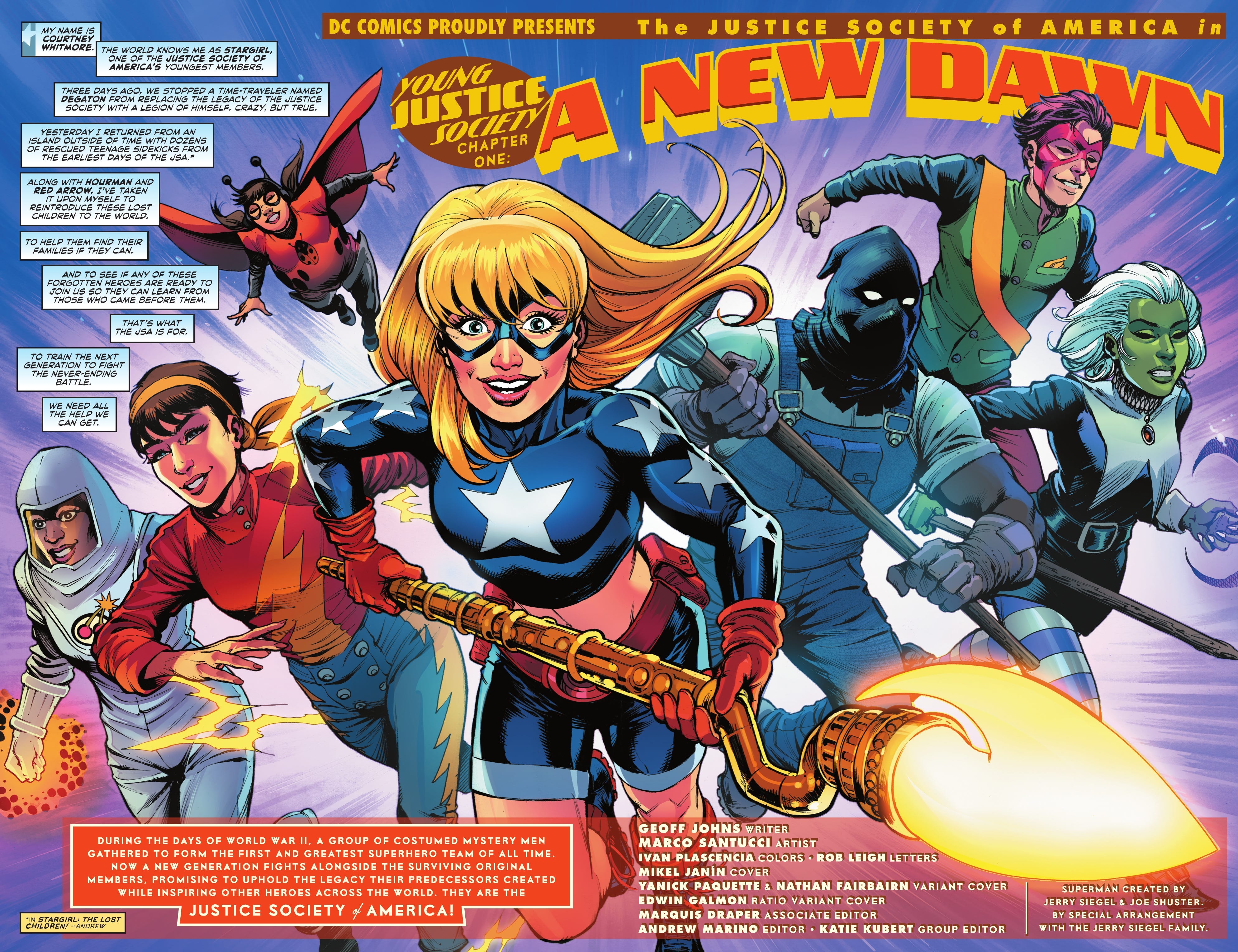
Lastly, Earth-2 would need a fourth generation of young heroes to complete the century-old legacy of the Justice Society. This is where the Lost Children Geoff Johns created in his more recent JSA run could come in to fill that role, given that they debuted in the 2020s. Since Stargirl and her generation would be adults by this point, the Lost Children would be the new heroes mentored by her generation. They would also benefit from being present-day heroes instead of the time-displaced sidekicks of DC’s Golden Age heroes.
Given that the Seven Soldiers of Victory and All-Star Squadron are also active with the Justice Society during the 1940s, it doesn’t make sense to bloat this decade with more heroes. However, by making the Lost Children modern heroes, they would easily become more relevant to the current generation of readers. Of course, this will likely entail creating Earth-2 versions of Quality Comics heroes that aren’t tied to the 1940s like in the case of Red Bee and Ladybug to not change these characters’ origins. But this is, again, the benefit of allowing Earth-2 to be the world where heroes age in real-time and die from old age.
On the whole, restoring Earth-2 with its original pre-Crisis lore would do a lot to show the natural progression and diversification of the Justice Society over time. Not only do the later generations of the team include more women, BIPOC, disabled, and queer people, but also heroes in different age groups. The latter especially eliminates overpopulating any one single timeline with more heroes than writers have stories for, as each group would be relegated to their respective decades.
Of course, bringing back Earth-2 would also mean leaving out the Justice League heroes to not convolute the JSA’s lore like what has been done consistently on Earth-0 since 1985’s Crisis on Infinite Earths. But there is a solution for that as well for fans who want a more classic take on the Justice League without Earth-0’s messy canon revisions of the last 40 years: restore Earth-1 to tell more character-driven stories with a much simpler continuity.
Restoring Earth-1 Would Allow DC’s Silver Age Heroes To Evolve Independently of Earth-0’s Controversial Revisions
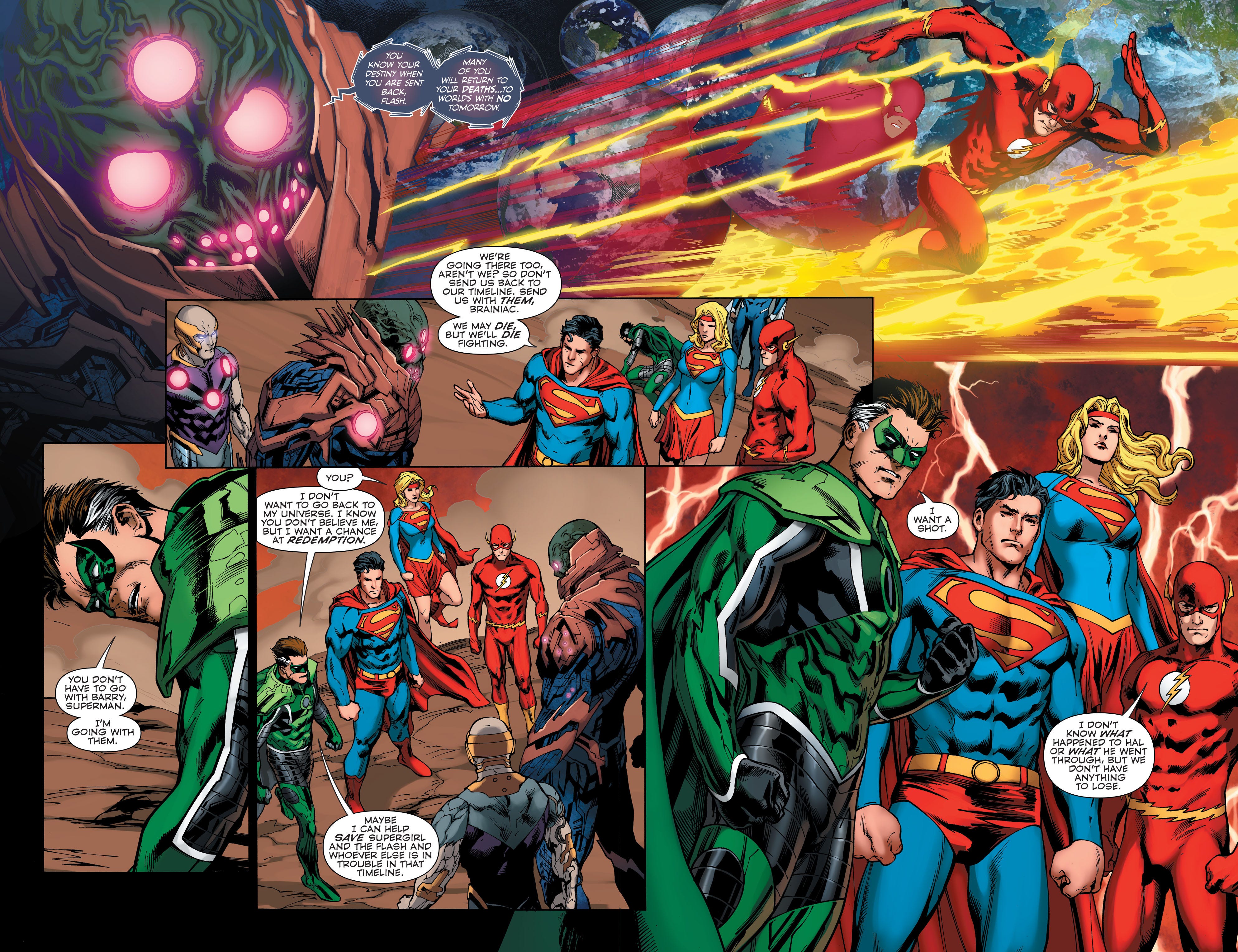
One problem that has uniquely impacted DC’s Silver Age heroes has been the burden of maintaining a status quo. This has prevented them from achieving any meaningful growth, with DC eventually regressing these iconic heroes. Maintaining a status quo has also seen DC make controversial changes to characters that challenge the status quo. One such controversial retcon has been the shifting of Talia al Ghul from a morally grey character to cookie-cutter villain in order to reintroduce her son with Batman from Son of the Demon. This change has also led to a consistent perpetuation of offensive stereotypes surrounding Arabs.
After 20 years of being characterised as the “bad mother,” Talia could benefit to return to her Bronze Age roots. Reviving Earth-1 could do exactly that for her. It could even introduce this world’s version of Damian Wayne in a way that better aligns with her Bronze Age development and the events of Son of the Demon. For instance, would Talia change her mind about putting her son up for adoption and decide to raise him herself? How would Batman become aware of his existence if Talia keeps him? If Talia does still put her son up for adoption, how would Damian come to learn of his lineage and reunite with his biological parents? This would easily make him stand out from his Earth-0 counterpart without the harmful racial stereotypes that negatively impacted Talia’s character.
Another highly controversial retcon on Earth-0 has been DC reversing Barbara Gordon’s paralysis and minimizing her time as Oracle. On Earth-1, DC can easily explore how Barbara could become paralysed as a consequence of her crimefighting career as Batgirl, and without retreading Batman: The Killing Joke. From there, Earth-1 could explore how she reinvents herself as Oracle without magically “curing” her disability. This could also see the organic formation of the Birds of Prey as part of that growth to mirror her post-Crisis counterpart. This could also see the introduction of Helena Bertinelli’s Huntress as an Afro-Sicilian. The latter is a post-Flashpoint development that was recently retconned from Earth-0, as shown in New History of the DC Universe #3.
While Earth-1 would not facilitate the exploration of generational legacy like Earth-2, that also wouldn’t matter. This world could instead focus on how DC’s Silver Age heroes would evolve over a smaller timeframe. The New Teen Titans were already doing this during Marv Wolfman’s and George Perez’s iconic 1980s run, and could easily continue on this trajectory. Donna Troy had already married during this run, and Nightwing was already in a stable relationship with Starfire. Wally West had also left his Kid Flash identity behind by this point, and could easily succeed Barry Allen as The Flash.
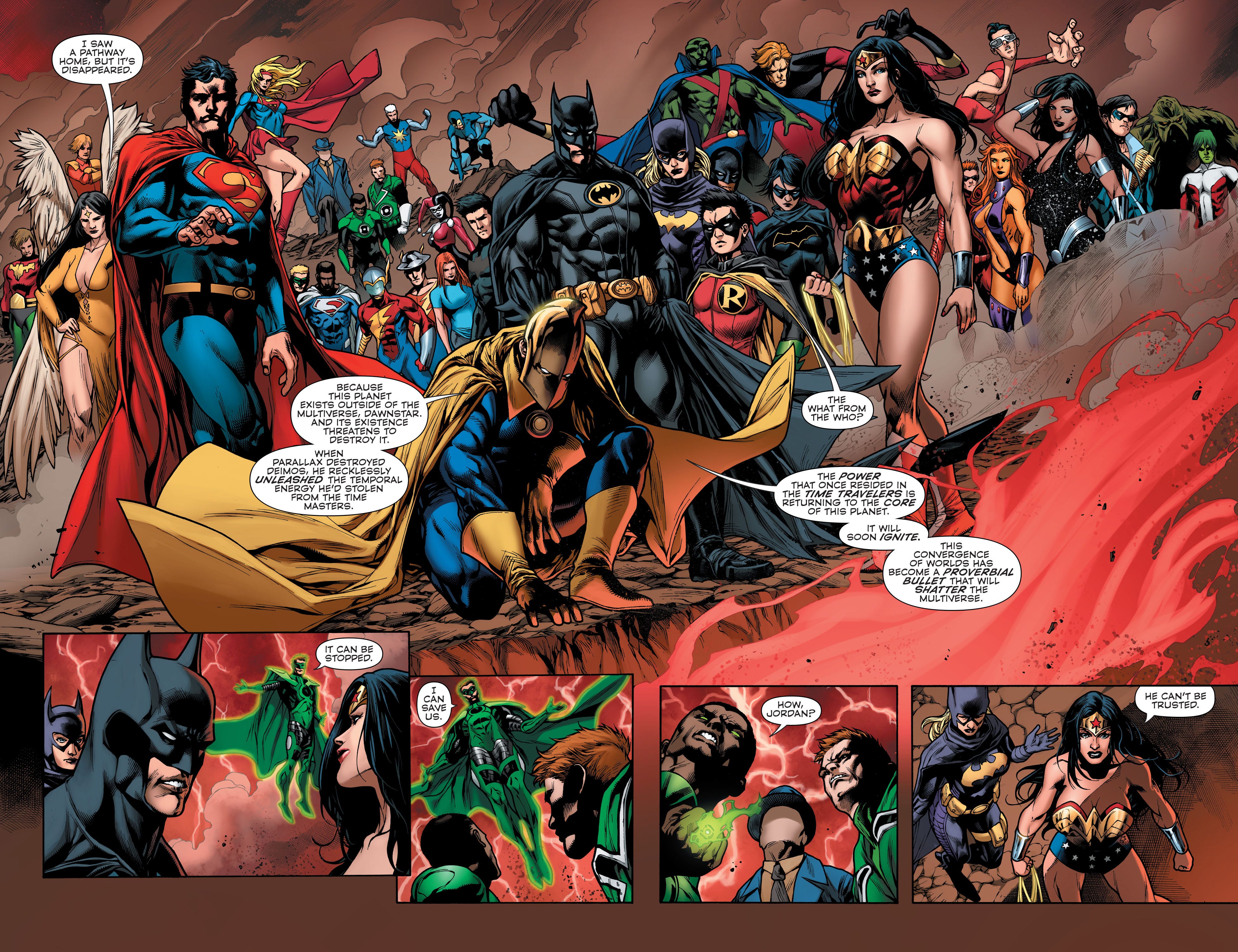
Another way Earth-1 could explore organic character growth would be to explore the permanence of death, like on Earth-2. For instance, how would Wally West become the new Flash if Barry makes a heroic sacrifice that isn’t his death in Crisis on Infinite Earths? Would Tim Drake still decide to become Robin if Jason Todd is never resurrected and his death remains Batman’s biggest regret? What kind of teenage detective would Tim be if he still partners up with Batman, but his own biological father is still alive? How would Cassandra Cain become Batgirl on Earth-1, especially as the daughter of trained assassins Lady Shiva and David Cain? How would she meet Stephanie Brown (Spoiler) given their origins as the daughters of supervillains?
Outside the Batfamily, Earth-1 could also meaningfully explore how a married Superman and Lois Lane would raise their young son, Jon Kent, without magically ageing him. Earth-1 could also explore how Wonder Woman raises her daughter Lizzie Prince in a way that differs from the Earth-2 Lyta Trevor, and without telling her story as a possible future. Likewise, Earth-1 could show how the Justice League expands to become truly unlimited with a much simpler continuity. How would Justice League Dark develop the magic side of the DCU, for example? What conflicts would Justice League Europe deal with in its titular continent? What heroes would make up Justice League International?
Though restoring Earth-1 would easily cover many grounds that have been botched on Earth-0 or never realised to their potential, it also begs the question of, “wouldn’t this make Earth-0 irrelevant?” Not necessarily. In fact, one major change in direction could easily revitalise Earth-0 and end its continuity revision problem for the foreseeable future: creator-driven stories. In fact, DC may already be on its way to doing this with its Next Level initiative, set to launch in March 2026.
DC’s Earth-0 Could Thrive as a Creator-Driven Universe
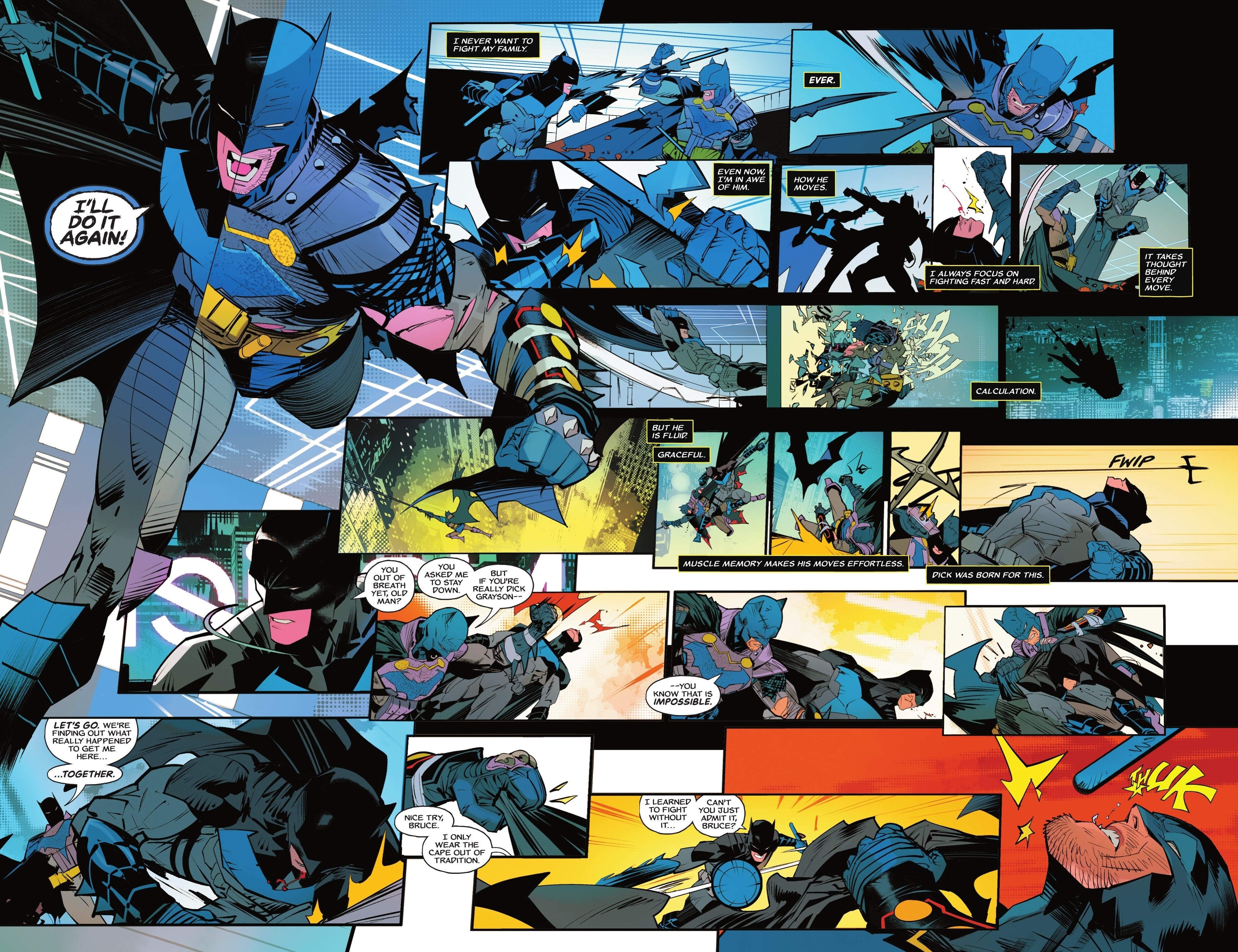
One thing that has become a point of contention amongst DC fans has been the lack of a consistent Earth-0 canon – a frustrating problem that was further compounded with 2025’s New History of the DC Universe. This, of course, would not be an issue if DC would stop using “crisis” events to retcon characters and stories in and out of continuity without regard to how this negatively impacts storytelling.
Ironically, not having a consistent canon on Earth-0 could be made into a strength by shifting the focus to creator-driven stories instead of continuity-driven ones. Doing so would alleviate creators to tell the best versions of their stories without having to account for the latest batch of confusing revisions that will likely be ignored or retconned by other creators. This would also simplify continuity by containing it to a creator’s run and not the larger universe itself, effectively eliminating the need for canon revision in the first place.
Another major reason Earth-0 is ideal for creator-driven stories is that every character DC owns from its multiverse already exists here. This puts every DC character on the table for creators to use as it benefits their stories. This also makes crossovers more feasible without having characters travel between Earths, like what was done pre-Crisis. Likewise, with Earths 1 and 2 already telling continuity-driven stories, Earth-0 could facilitate multiple interpretations of DC’s characters and target different audience groups that way.
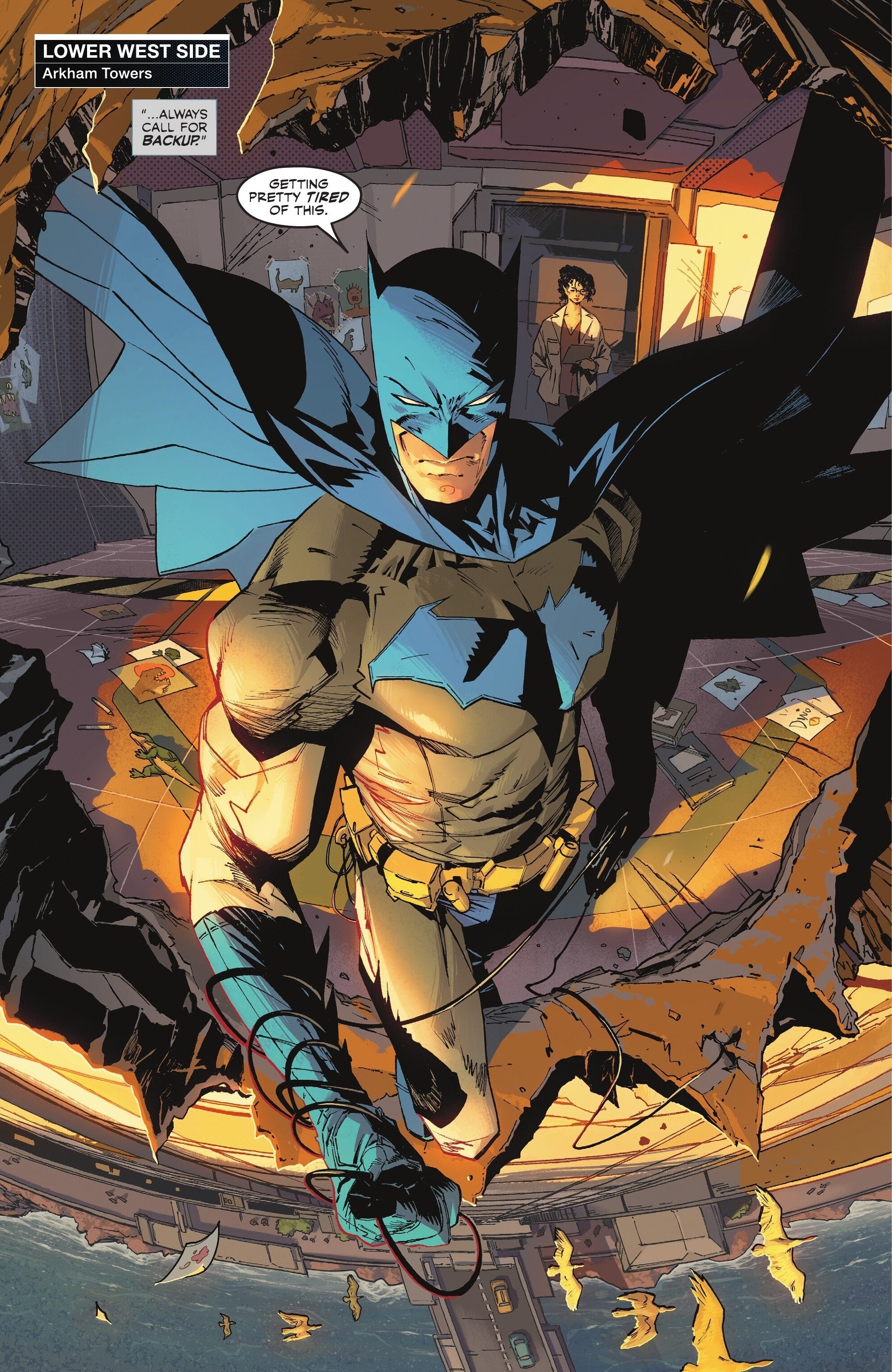
For instance, Chip Zdarsky’s and Matt Fraction’s Batman runs are tonally different from Tom King’s and Scott Snyder’s runs, which makes them feel like they exist in their own separate continuities. That’s okay. Batman needs those different stories to exist in order to keep the character interesting. Not every run is going to resonate with every reader, and that’s okay too. Tom King’s run, for example, very strongly resonated with Batman and Catwoman shippers, but not so much individual Batman and Catwoman fans who are not immediately invested in the couple’s romance.
But even with Fraction and Zdarsky choosing not to revisit Batman and Catwoman’s romance for their runs, other comics set in the DC Multiverse like Earth-2 and the Absolute Universe would still have those fans covered. Creators could then more comfortably exercise the creative freedom to execute their visions, without feeling pressured to meet fans’ expectations. This could even allow writers to explore other relationships with Batman, like Fraction is currently doing with Bruce Wayne and Dr Annika Zeller.
Similarly, Mark Waid’s World’s Finest and Action Comics runs wildly contradict Batman and Superman’s developments from both the post-Crisis and post-Flashpoint eras. But with Earth-0 being a creator-driven universe, this wouldn’t matter because the earlier stories from creators like John Byrne and Scott Snyder would not be invalidated and would still matter in the larger tapestry of DC history. Instead, this would just be a case of Mark Waid telling his own version of their Silver Age adventures, and there’s a market for that too.
The Final Word
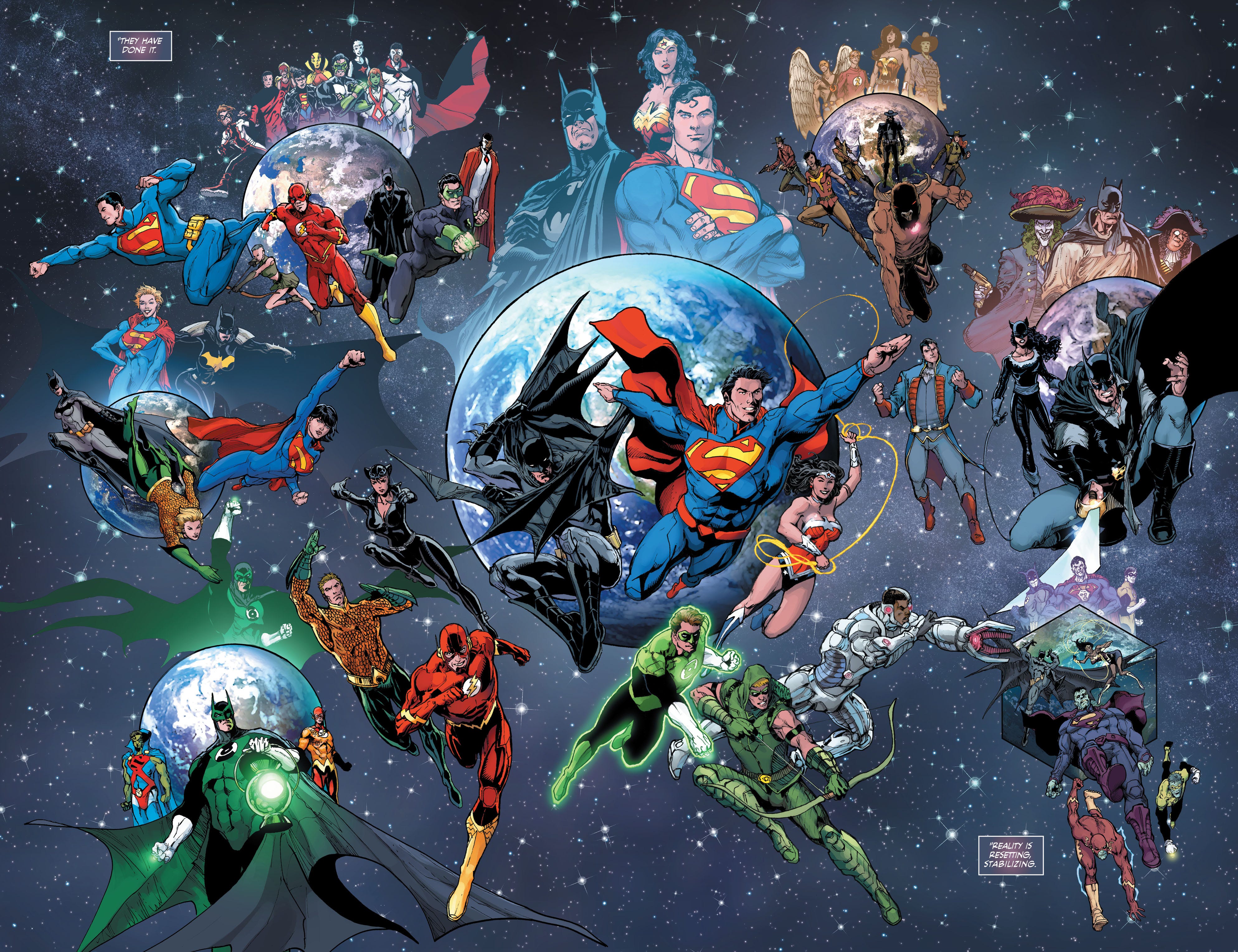
Given how beloved DC characters are to people, the publisher has a lot to gain from developing its multiverse into the potential franchises Grant Morrison sees them as. Even more so if these multiverse stories get published as graphic novels instead of as monthly comics to reach more audience groups.
There is no better justification for launching a DC Multiverse line of graphic novels than the overwhelming success of the Absolute Universe. If the latter is telling character-driven stories that see DC’s iconic heroes and villains tackle the problems of the 2020s (like billionaire-sponsored authoritarianism), imagine how many more markets DC could reach by telling more stories outside of its main DC Canon?
As graphic novels, Earth-2 would easily tell more grounded stories about the generational legacy of DC’s Golden Age heroes. Earth-1 could also facilitate more character-driven stories that meaningfully evolve DC’s Silver Age heroes with their classic histories intact. Earth-0 could keep its monthly comic format, but could benefit from creator-driven runs where storytellers make their best (wildest?) swings and those runs don’t get invalidated by the next person who takes over. Continuity will just be contained to the runs themselves, with each new creative team launching a new era.
If DC gets more wins with a DC Multiverse line of graphic novels, this could easily facilitate books set on Earth-4 (Charlton), Earth-S (Fawcett), Earth-M (Milestone), and plenty more.